
How a pool project goes from a search to a signed build
A family wants to be swimming by summer. They have a few photos saved and a patch of lawn they think might work. When they search for a pool builder, they want to know whether the company builds the kind of pool they have in mind and whether it works in their town. The first call may come long before they know the size or finish.
A pool building page gives that family enough to start a conversation. It can show completed projects with different yard sizes and explain when the company comes out to look at the property. The first request can include the address, whether the pool is new or a replacement, and when the owners hope to start.
The office can pick up that request while the crew is pouring a deck or waiting on an inspection. A reply can describe what happens next and offer a time for the right person to call. When the designer takes over, they can see what the customer mentioned, along with any photos the owner already sent.
Some projects move quickly after the first visit. Others wait on a design choice, financing or a decision about the rest of the yard. The pool builder can keep the original scope and timing with the inquiry. If the homeowner comes back weeks later, there’s a place to pick up the project instead of starting the whole conversation over.
A website that shows what the builder actually takes on
A homeowner comparing pool builders may be looking at fiberglass, concrete or another type of pool. They may also want a smaller pool, a spa or room for a patio around it. The website has room to explain the work the company offers in the terms homeowners use. Each page can show examples that match the type of build on it.
A pool renovation is a different route into the business. The owner already has a shell and may be thinking about changing the finish, adding a feature or replacing part of the surrounding deck. A renovation page gives that owner somewhere to send photos and explain what they want to keep. It also helps the office see whether the request fits before it offers a site visit.
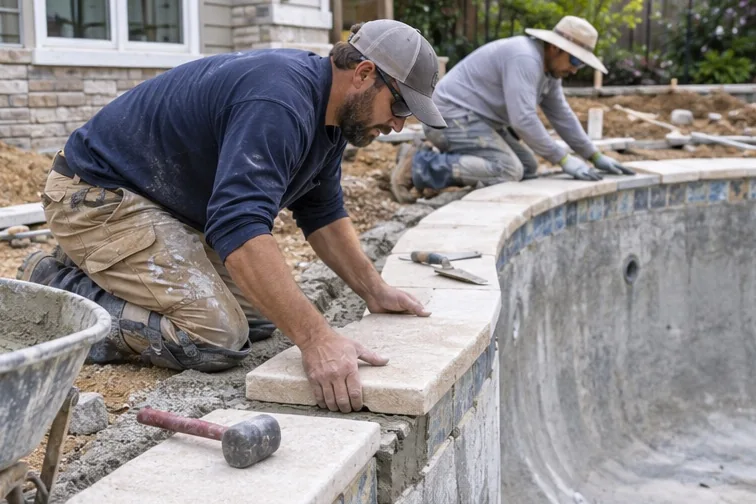
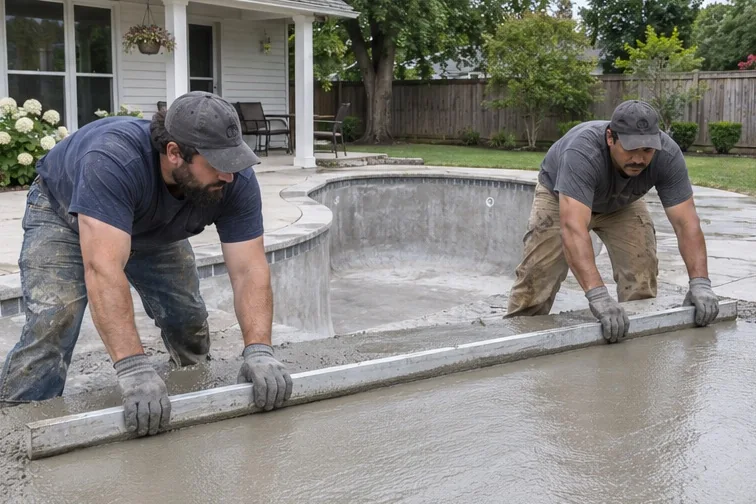
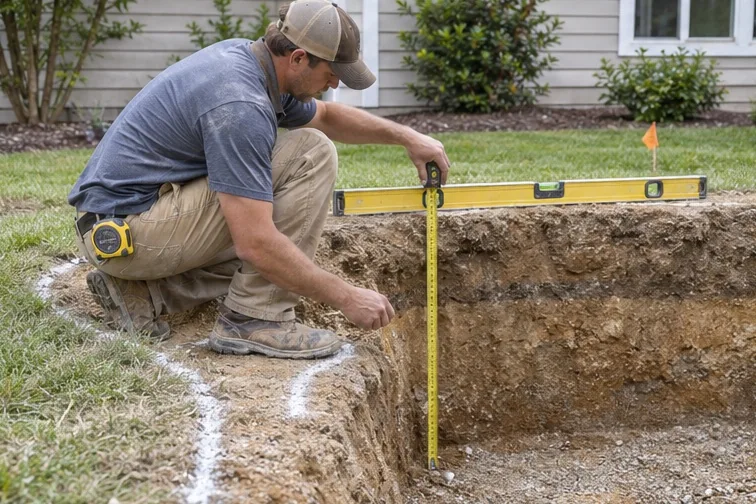
A photo of a finished pool may get a homeowner's attention. A photo from the middle of a build can help them understand the site work and what the crew will be doing around the house. A short note can show where access was tight or how the builder worked around another part of the yard.
On a phone, the customer can see the service, check the area and send a short request. The office gets that message beside its calls and texts. Detailed plans and measurements can come when the designer is involved.
What happens after a customer reaches out?
A 30-minute look at the website, phone and follow-up.
What a pool estimator needs before the first visit
The address and a description of the job tell the office whether the project is in range and who ought to call back. A person with an existing pool can say what they’d like to change. Someone starting from scratch may only know that they want more space for family and have a side gate that looks narrow.
Photos can be useful before a visit, especially when the yard has a slope or a neighboring structure. The first form can leave space for a few quick details instead of demanding a complete design. The estimator can ask for anything else once the request reaches the right person.
The most useful visit confirms what can be discussed at the property and what needs to be checked later. The area around the pool might be part of the build, or another contractor might already have that work. A customer may think the whole yard is part of one estimate when the builder is only pricing the pool and deck. A clear scope gives both sides something useful to compare when the proposal comes back.
If the designer speaks to one owner and the other calls later, the office can open the same conversation. It can see the possible dates and the details the designer noted. The handoff gives the next person a record of the discussion without asking the homeowner to tell it again.
Local search for new pools and renovations
A homeowner may look for a pool builder in their city, a fiberglass pool installer nearby or someone who renovates an older pool. Those searches can lead to different pages with real work and the areas where the company takes on those projects. The office gets inquiries that make more sense when the visitor sees what work belongs on the page.
The company’s Google Business Profile can give a homeowner a first look at the business, recent projects and the number to call. The website can take that person deeper into a particular service. A completed project in a similar yard often gives the customer a better question for the first call than a list of every town the crew might drive through.
Local pages also have room to explain where the builder can serve a property. A large installation can justify a different trip from a short renovation visit. The office can see which areas bring in site visits and which ones turn into work. When the crew is booked for the summer, the schedule can still make sense of requests that come in for the following season.
A designer, builder or landscaper can share the same pages as part of a referral. A homeowner who heard the company’s name from another contractor still needs to see examples and find the office number. The referral can lead to a useful page without sending the person to search from scratch.
How a pool design conversation stays open
A homeowner who has just received a design may want to look at the layout with the rest of the family. They might come back with a question about furniture space, steps or which parts of the yard the proposal covers. A follow-up tied to the design gives them a way to ask about the detail holding up the decision.
The office can see which scope was sent and when the owner last asked about a start date. If someone needs to speak to the designer, the address and earlier questions are right there. A change in the patio or access plan can stay with the proposal rather than appearing as an unrelated call from the same number.
Some customers need time before they can sign. A date can be recorded when an owner says they expect to have a decision by the end of the month. A reminder near that point has a reason to be there. The designer can talk about the project the homeowner already saw rather than send another general check-in.
The same thread is useful after approval. The crew may need to know which finish the owner accepted and who will be available when the work starts. The office can keep the agreed details visible while the build is handed over from sales to the people doing the work.
The calls that come in while a crew is on site
Pool crews spend long stretches away from a phone. A new request can come in while everyone is working around a shell. A missed-call text gives the caller a way to send an address and say whether they are planning a build or asking about an existing pool. The builder can call back with enough information to start.
A person who uses the form can get an automatic first reply. Their message stays with the follow-up in the shared inbox. The person returning the call can see whether somebody else already replied. That matters when the same owner put in a form and called the number after looking at a project page.
Existing customers can use the number too. Someone may have a question about the arrival time or ask where to send a photo before a renovation starts. The office can see the active job and the earlier conversation, then return a call or put the question in front of the right person.
A pool company may receive a mix of maintenance, repair and construction calls even if it only does certain kinds of work. The first reply can help the office understand which calls belong with the estimator. The website can set the same expectation before someone fills in the form.
Where ads and referrals fit a pool building calendar
Search ads can bring in someone who already knows they want an in-ground pool or needs a renovation quote. A relevant page can show that type of work and explain the first step. The builder’s calendar still matters. The office needs time for site visits and enough room to take the builds that get approved.
A rush of requests in spring may fill the office with people hoping for early summer. A pool builder can see which requests fit the locations and timelines it can serve. If the realistic start is later, a customer can hear that before the designer spends time on a proposal. Someone planning for next year might still be a good project even when the current season is full.
Referrals can come from a landscaper, a builder or a homeowner who spent the weekend at a neighbor’s pool. A page that shows the type of work gives those people a useful link to share. The office can see where the request came from and whether it reached a design, proposal or signed job.
Ad spending and referrals can look different when they’re measured by signed builds. An introduction from a builder may come with plans and an address. A search inquiry may be further from a decision but turn into a project later. The original source and what actually happened with the proposal tell the full story.
What a completed pool can do for the next project
When a build is finished, the owner can see how the whole yard fits around the pool. The handover gives them a chance to ask about the work and talk over what happens next. A short review request from the same business number lets them describe the experience while the project is still fresh.
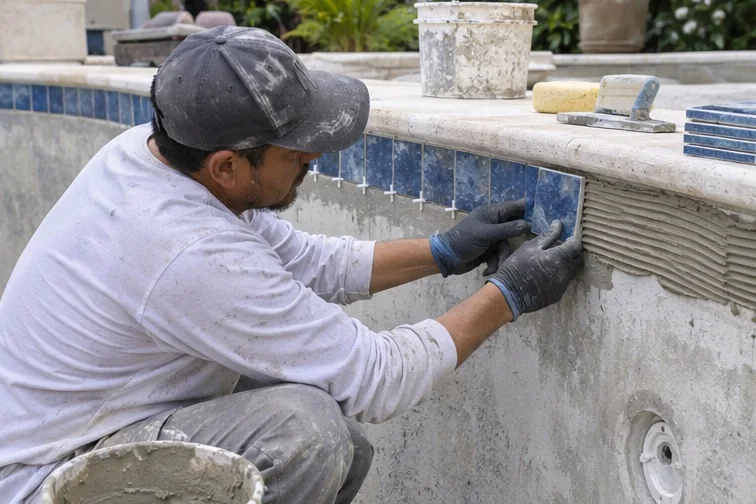
The photographs matter after the work is done too. A homeowner may want to know how the pool looks with a particular patio, or whether the builder has done a similar project on a smaller lot. With permission, an example can show the shape, finish and the way the pool sits in the yard.
A review can describe the things the finished photo doesn’t show. The crew may have kept the owners updated when a date moved or worked with a landscaper on the next phase. Those details can help the next customer decide who they want to visit their property.
If a past customer calls about another property or passes along the builder’s name, the office can see the earlier work. A photo on the swimming pool page, a review and the word of someone who used the company can all point to the same job that the crew already completed.
The difference between an inquiry and a pool build on the calendar
An inquiry records that somebody got in touch. A site visit means the project was worth looking at. A proposal puts a scope in front of the owner. A signed build means the customer agreed to the work. Those are different points along the same project, and there may be weeks between them.
The office can see which pools came from a certain page and which ones were referrals. A group of requests for a pool type the company doesn’t build can show that the page may need to say more about the work offered. Several site visits near finished projects can show where the website is already bringing in useful calls.
Timing gives those outcomes context. The homeowner who spent a few months planning can be a good job even if they took longer than someone whose designs were already ready. A quiet estimate can come back with a new question. Keeping the conversation with the job gives the office room to see the real outcome.
A pool builder that can connect a first search to a signed scope knows more than how many times the phone rang. The company can see what people wanted, whether the location and timing fit, and which work the crew actually took. That’s the kind of information that makes the next season easier to plan.