
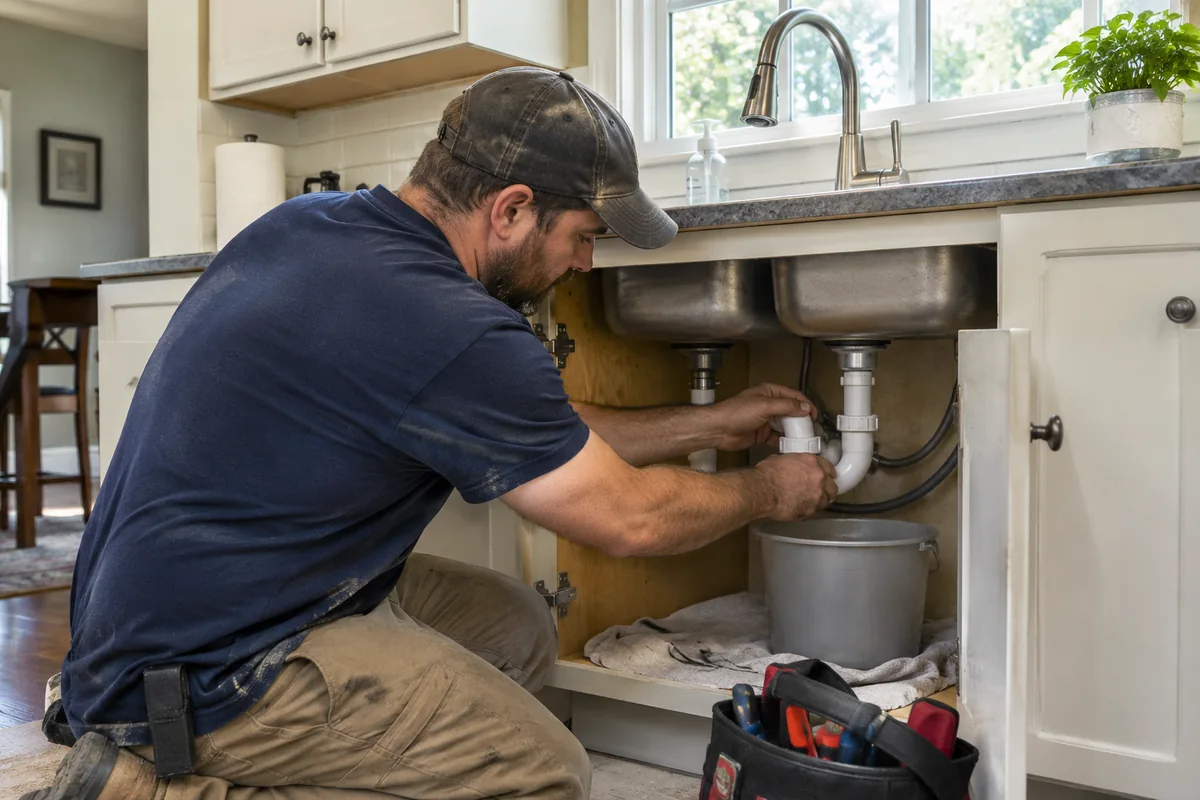
How a backed-up sink turns into a booked visit
It’s late morning and your plumber is finishing a job. A homeowner is standing at the sink with water that won’t go down. They may only know the drain has been slow for a week and suddenly stopped. They want to know whether you can help and when somebody can be there.
- They find a drain service page.The page says which area you cover and gives them a number they can tap.
- They call or send a request.The office can get the address, callback number, and a short account of what’s happening.
- They get a reply.If you miss the call, the customer can text back with their ZIP code and tell you which fixtures are affected.
- The office checks the schedule.Someone makes sure the job fits the route and tells them the first available window.
- You finish and ask for feedback.After the plumber tests the work and explains what was done, your team can send a review link.
The reply is there to collect details and set expectations. Have your team handle advice, urgent situations, and any diagnosis. A clear message from your business number gives the customer a direct line to someone who can help while the office checks who’s free.
The caller knows what happened in their own words
Someone calls about water under the kitchen cabinet. They might know it appeared when the dishwasher ran. They may be worried about which pipe is leaking. The office can note what they noticed, where they are and how soon a truck can reach them. The plumber can work out the issue on site without the customer having to name it first.
If the call goes to voicemail, the caller can reply to a text from the same business number. A description and the address can be enough to get the conversation back to dispatch. If the customer sends a photo after the first message, it stays with the request and the plumber can see what changed.
A planned water heater replacement starts differently. The caller may want to know what kind of visit the company offers and when someone can see the property. Both requests can reach the same office. The schedule reflects the time and crew each job needs.
The plumbing work each truck can take
A dripping faucet, a sewer backup, and a planned water heater replacement all come in differently. A faucet might fit a short opening. A drain call might need a technician with the right equipment. A replacement estimate can often be scheduled around the customer’s day. It helps to know which calls you want before trying to get more of all three.
Urgent work may have a smaller coverage area than a planned replacement. The site can explain the towns the trucks reach and where the office takes urgent calls. The office checks the calendar before confirming a visit.
A restaurant may need a time when it can close a section. A property manager may need to arrange tenant access. A commercial page can cover those requests and the details the office needs first.
A plumbing website people can use in a hurry
Someone standing at a sink with a problem may only have one hand free. A visible number, office hours and service area make it easier to get through. When the job can wait, there’s a short form.
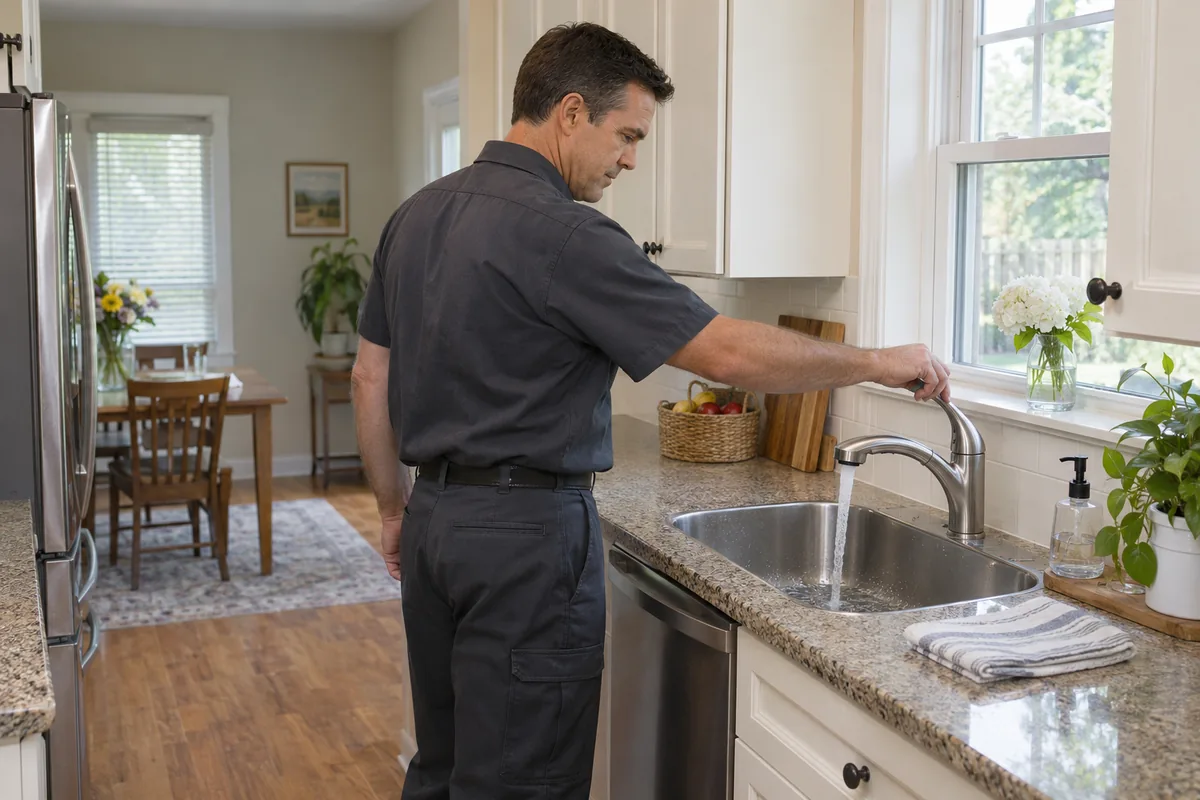
Drain work, water heaters and leaks bring in different calls. The drain page can cover what the plumber works on and how a visit starts. The heater page can show what the company replaces and how an estimate starts.
The first form can ask for name, phone number, ZIP code, and the problem. A photo may help your team see what fixture is involved. A tenant may have no idea what model their water heater is. Leave room to say so. The office can get other details during the callback instead of losing the request over a form field.
A photo can show what access under a sink looked like or how the crew left a utility room. A few words about the work tell a customer with a similar property what they’re looking at.
Our contractor websites connect requests to the same place the office sees calls and texts. At launch, a test shows where a form lands and what reply the customer sees.
How SystemsPal handles a plumbing service request
A 30-minute look at the website, phone and follow-up.
A booking that makes sense to the tenant, manager and plumber
A property manager may have a tenant reporting a clogged sink. The manager needs to know when the truck can arrive. The tenant may need to be there to open the door. The plumber needs a unit number and a description of the issue. Those details make the request useful before the truck leaves.
If the tenant calls directly later, the office can find the property and see who’s coordinating access. The approved visit can stay with the right unit even if there’s a second job in the building. The manager gets an update that says which visit it covers.
The next call from the same manager may be about a water heater at another address. The business already has the contact, but the job has its own scope and timing. The prior work gives the office a place to start without mixing up two properties.
Local SEO for plumbers
A homeowner may search “plumber near me” and tap a number from Maps. Someone who’s planning a replacement may search for water heater installation by town and read several websites first. Your service pages and Google Business Profile help those people find you and decide whether to call.
Google Business Profile
A current number, accurate hours and a useful website link help someone looking at plumbers. The listed services and area can reflect the work the trucks take. Special hours can show when the office takes calls.
Plumbing service pages
Drains, water heaters and leak repair can have separate pages with job examples and ways to reach the office. Town pages can reflect nearby jobs and where the crew can actually visit.
On-site SEO
We build on-site SEO into the website so search engines can understand the pages and readers can use them on their phones. Clear page titles, organized service pages, and sensible links help people get where they need to go. The plumbing SEO guide has more detail on how the site and your Google profile work together.
When a small job turns into a separate estimate
A plumber comes out for a repair and the homeowner asks about replacement while they’re there. Sometimes the customer wants to finish the immediate job and plan a larger one for later. The office can keep the finished repair and the new estimate connected to the address while making clear which work has been approved.
The customer may come back with a question about the scope or may want to wait until they can arrange access to a different room. A reply from the person who saw the property can address that part of the quote. The office still knows what happened on the first visit.
Once approved, the larger job can be scheduled around the work and access it needs. The customer can find the arrival details on the same number they used the first time. The technician can see the scope instead of relying on someone to remember what was added during a call.
The call that comes in while a plumber is under the sink
You’re finishing a repair and the phone rings across the room. A missed-call text gives the customer a way to reply. “We missed your call. What’s your ZIP code, and what are you having trouble with?” is often enough to tell the office which job to ask about next.
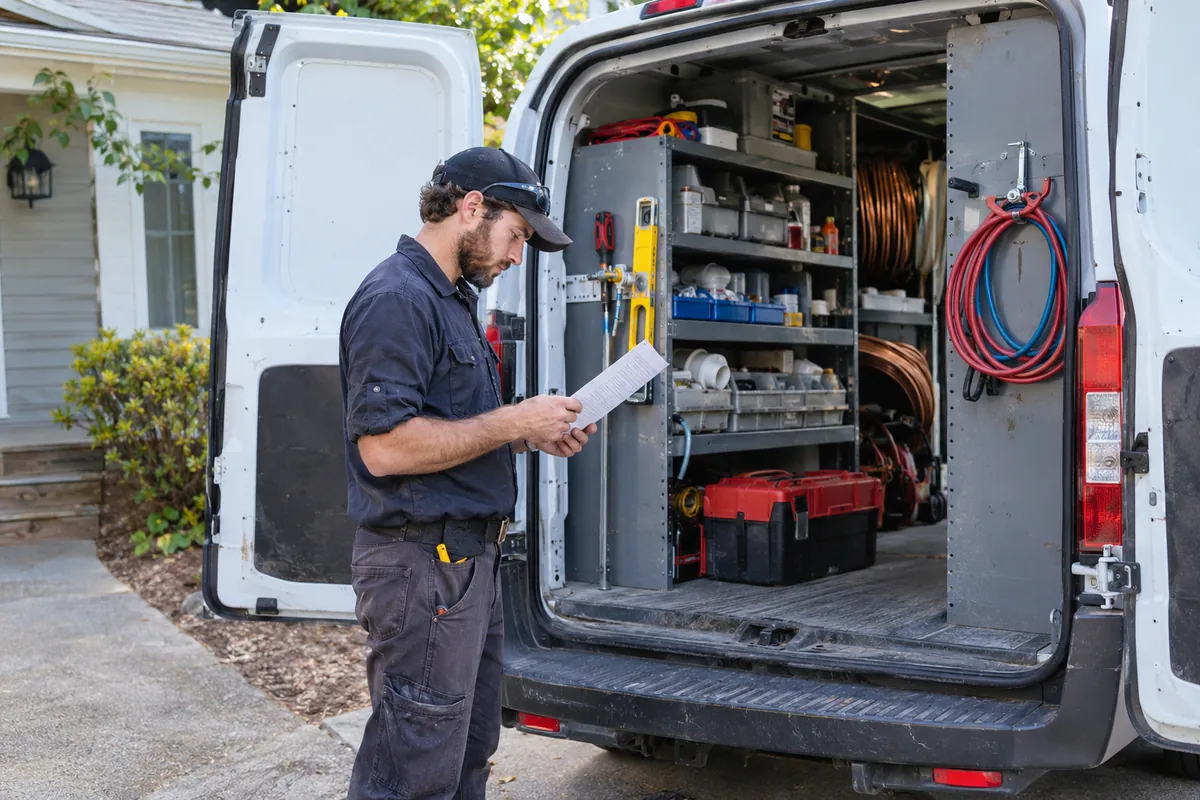
A form gets a first response through lead follow-up. Calls, forms and replies land in the shared inbox so the person answering can see what was already said.
A customer may have a question about a line in the estimate or when work can start. A follow-up can get that to the right person. The office can see what went out and when the customer last heard back.
The work that actually filled the plumbing route
A drain page might bring in several calls from a part of town the trucks already visit. Another page can bring estimates for water heaters that take time to approve. The business can see what each page contributed by looking at first visits that booked, jobs the crew completed and estimates that are still open.
A referral from a handyman or manager may arrive with enough information to schedule quickly. A search visitor may need to see the service area and phone number first. Both have a way to reach the office and the original source can stay with the job. A few local requests that fit the route can be more useful to the schedule than a rush of calls the team can’t take.
A review comes after the visit, when the customer has seen how the work was handled. A reply about cleanup, timing or keeping a tenant informed can tell the next person something a service list can’t. The office can send the link from the same number the customer already knows. A later visit starts with the details of work the crew has already done at that property.
Where ads and referrals fit a plumbing route
An ad can bring in heater or drain work when there’s room on the route. A service page shows what the company takes and where it works. The customer can call or send a request straight from the page.
The office can see which inquiries became visits and which visits became work. Requests from towns the truck can’t reach tell a different story from completed replacements nearby.
Property managers, handymen and past customers can pass along a page or the number. SystemsPal customer campaigns give the office a way to reach past customers when there’s a relevant reason.
What happens after the plumbing job is done
The water is back on, the work area is clear, and the customer knows what to watch for. This is a good time to ask for an honest review. Customers often remember the small things, like a plumber who called before arriving, laid down protection, or took the time to explain the repair.
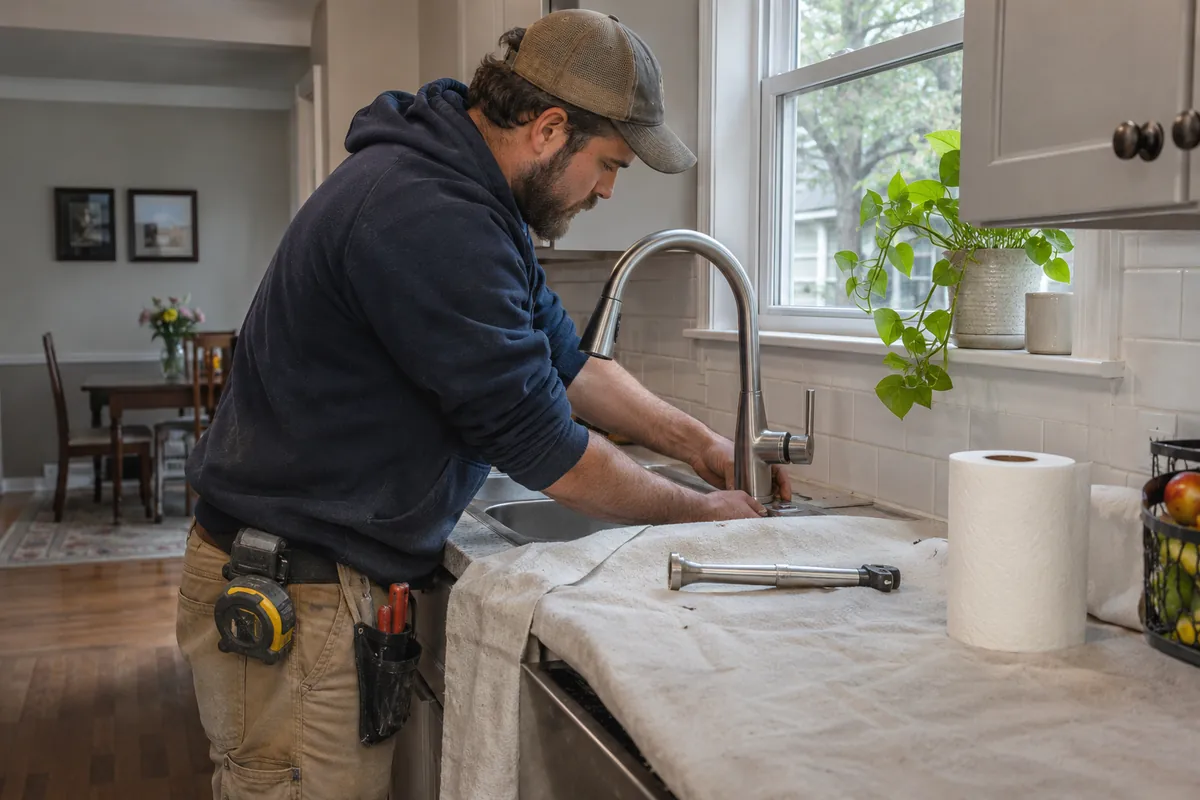
With review requests, the office can send a direct link after the visit and follow up later. The customer can describe how the work went while it’s still fresh.
If a repair needs another look, the customer can reply to the same office. The team can find the first job and arrange a visit while keeping service details in a direct conversation.
A repeat call can be a new job at a familiar address
A homeowner who booked a sink repair in October might call in March about the water heater. The address is the same and they may remember where the last plumber parked. The crew still needs a fresh description of the work. The office can keep the old visit in view while giving the new inquiry a separate estimate or appointment.
For a property manager, the same thing can happen at several addresses. A customer with a unit turnover may need one small repair on Monday and a separate appointment across town later in the week. A note about who can provide access belongs with the visit. The office can respond from the same number the manager uses without moving those job details into a separate private thread.
A review request can come after a completed visit, when the customer has seen the work and knows how communication went. They may mention a plumber who explained the issue or kept the tenant informed. The next person who finds the plumbing company in local search can see those details before calling.
After a few months, the office can see whether a drain page mainly brought in one-time calls or led to other jobs from the same customers. A landlord referral may have started with one unit and led to several visits. A water heater estimate may have taken longer to approve. The work that actually reached a truck tells the company more about its marketing than a week of incoming calls.