
How an exterior painting quote becomes a booked job
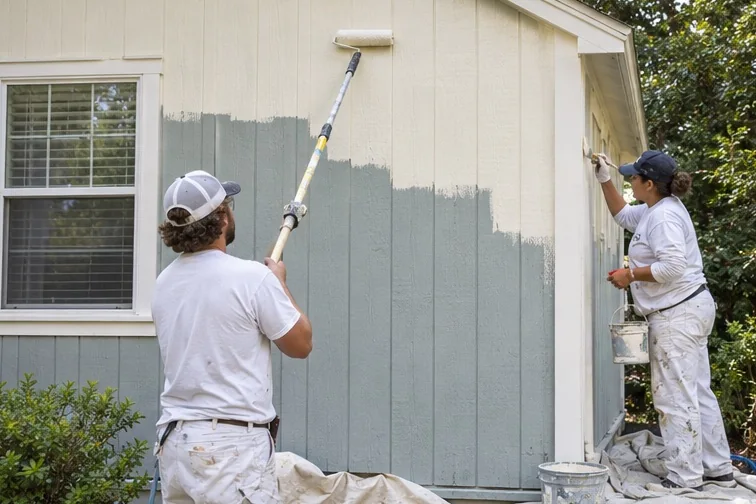
A homeowner sees peeling paint around the trim and starts comparing painters. Your exterior painting page shows a house with similar siding, explains the prep your crew normally discusses, and gives the homeowner a quote form. They send a photo and say which side of the house is causing concern.
The office gets the timing and finds out whether the homeowner is thinking about a few areas or the whole exterior. A site visit gives the estimator a chance to see the siding, talk through access and prep, and explain what’s included.
The written estimate goes out with the scope. A follow-up can check that it arrived and open the door to questions. Once the homeowner chooses a date, the office confirms the timing and preparation in the same thread. After the final touch-ups, a photo and a review can help the next customer compare.
Interior, exterior and cabinet painting bring in different calls
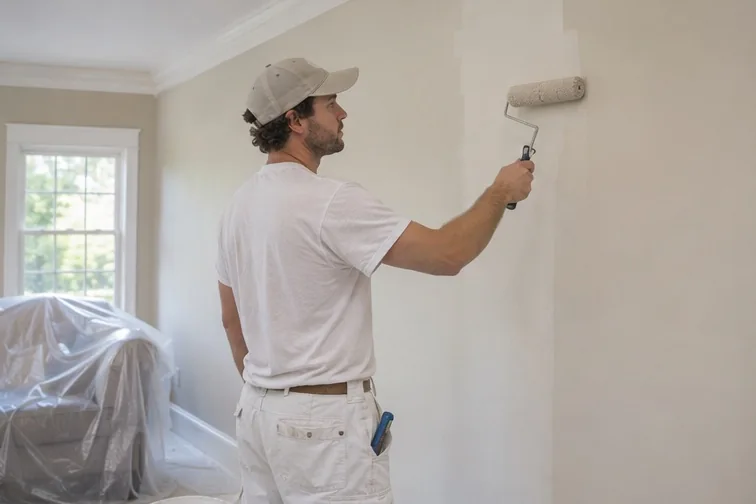
Customers comparing painters need to see the kind of work they want. An interior painting page can explain how you protect floors and furniture, how rooms are handled in an occupied home, and what the customer should clear before your crew arrives. An exterior page can focus on prep, access, and weather-related scheduling.
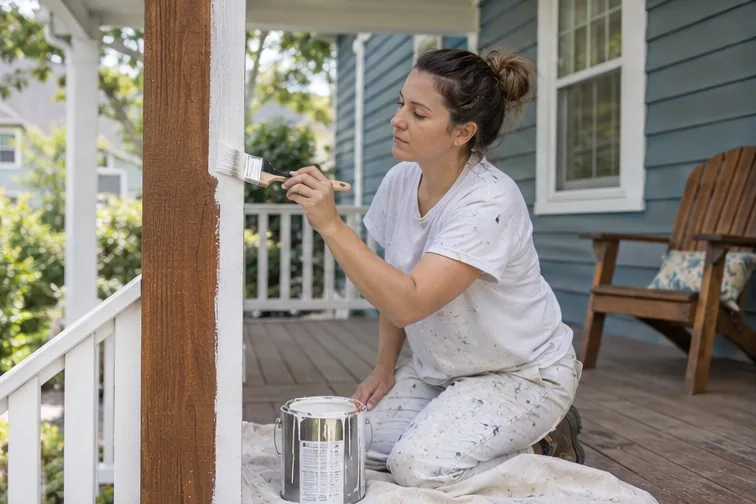
Cabinet work has questions about which surfaces get painted and how the kitchen will be used while the work is going on. A page with photos can answer those early. A commercial turnover page can cover the access and deadline questions a property manager asks instead.
A room photo shows how the finish looks in daylight. A close photo shows the lines around the trim or the finish on a cabinet door. With a line about what the project involved, a homeowner can see whether that’s the kind of work they want to talk about.
How SystemsPal keeps painting estimates in view
A 30-minute look at the website, phone and follow-up.
What customers compare on a painting estimate
Two painting estimates can list the same rooms and cover different prep, trim or cleanup. A written scope and a reply from the same thread make it easier to see what each line includes. The person replying has the estimate and the visit notes in front of them.
Someone may want to talk about colors again or clarify whether doors and baseboards are included. A short message can get that question to the estimator. Once the dates are set, the office can send the arrival and access details in the same conversation.
When people keep asking whether wall repairs are included, that’s often a gap in the estimate or the service page. Answering it there means the estimator spends less of each visit explaining the same thing.
How homeowners find a painter in their town
Interior house painting, exterior house painting and cabinet painting are different searches. We give each core service a page with the coverage area, examples of the work and a visible way to reach the office.
Current hours, a working number and recent job photos make a Google Business Profile useful. A homeowner who needs the exterior painted can see what the crew has done before they make the call.
A location page can show a real local job, the surfaces the crew often sees there, or how estimates are scheduled in that area. Links to the relevant service pages give the homeowner the details without making them start the search over.
The missed call and the estimate that’s already out
Painters are often inside, on ladders, or moving materials when a call comes in. A short missed-call text can ask for the address and whether the project is inside or outside. The office can reply and arrange a quote without making the customer explain the same thing twice.

A new lead needs an appointment or an answer about availability. An open quote may come back with a question about the number of coats or the work on the trim. The office can see which conversation it’s in and who prepared the quote before it replies.
A spring campaign may produce plenty of calls and very few jobs if the properties are outside the crew’s range. Looking at scheduled work beside the original request makes that visible. It gives the office a way to see where the campaign matched the schedule.
Missed-Call Text-Back · Lead Follow-Up
How ads and referrals fill openings on the calendar
A short exterior campaign can make sense when there’s space before a seasonal slowdown. The customer lands on exterior projects and can see the prep work before asking for a quote. Approved jobs and scheduled dates show how much work reached the calendar.
Agents and property managers often bring interior work. An agent getting a listing ready may ask about dates before discussing color. A homeowner who saw a cabinet job wants to know what the finish looks like. A relevant page gives each person somewhere useful to start.
The office can compare sources against the jobs that actually fit the crew and booked. A cluster of projects near one another can be worth more to the calendar than a lot of inquiries scattered across the service area.
Finished painting work helps the next homeowner decide
Right after the final walkthrough, the customer still remembers how the crew protected the furniture or left the rooms. A text link makes the review easy. With permission, project photos can go alongside the description of that work on the website.
A homeowner who had a bedroom painted may be thinking about the cabinets or siding next year. A message about a relevant opening can start that conversation again. The office can see what was painted last time and what the customer asked about.
A painting estimate can come back weeks after the walkthrough
A homeowner gets a quote for three rooms before moving in. The closing moves, and the paint job goes quiet for a few weeks. When the customer calls back, they’re still talking about the same rooms but may only have two days before the movers arrive. The office can open the original estimate and check the schedule with that timing in mind.
That matters for larger work, too. An exterior project can move when the weather changes or when the repair work ahead of it runs late. The office can confirm the revised date in the same conversation and the crew can still see the surfaces and prep the customer approved. When the last touch-ups are done, the follow-up comes from the number the homeowner already has.
The week before a customer moves in
An interior painting call often starts with a date. The family picks up the keys on Monday and the movers come Friday. The homeowner needs someone who can look at the rooms and explain which work fits that window. A page for interior painting can show an occupied home and an empty one, along with the sort of information the office needs to price the job.
The estimate request might mention three bedrooms until the estimator asks about the ceilings, trim and closets. The office can hold those details with the first photos. When the scope goes out, the homeowner can see which rooms and surfaces it covers. If they decide to leave a closet for later, the quote and the new decision can stay in the same thread.
The timing question comes up again when the customer accepts. Access, furniture and the date the crew can start matter just as much as the estimate. The office can confirm those things while the customer still has the conversation in front of them. A change to the key handoff doesn’t have to get lost in a separate call.
Why exterior estimates can sit while the work is still a good fit
Exterior painting often moves at the pace of the house. A porch repair might need to happen first. The owner may be waiting on a decision about siding or on a second estimate. A quote that waits a few weeks can still be for a house the crew would like to paint.
A short follow-up can bring one real question back to the conversation. Perhaps the homeowner wants to know whether the garage doors were included. The office can see the estimate and the earlier scope notes, then connect the customer with the person who priced the job. That’s a different exchange from a general message asking whether they’re ready.
Weather can move the date again after the quote is accepted. The homeowner can get a new time from the same number. The team sees which elevations, doors and prep work were agreed while it looks for another opening. There’s no need to retake the estimate just because the start date changed.
What a cabinet project looks like before anyone books it
Someone looking at a cabinet painting page may be thinking about the color, the finish and how long the kitchen will be out of normal use. A room photo shows the effect. A closer shot lets them see the door profile and finish. A few words beside the picture can tell them which surfaces the job included.
The office may need to see the number of doors, the condition of the cabinets and whether the customer expects the boxes or island to be painted. A request with a photo helps start that conversation without promising a price before the estimator has seen the work. The site can show examples of real cabinet projects and explain when a visit makes sense.
After the quote, the homeowner may want to compare a finish or add work to a neighboring room. The original project stays visible. The new detail can reach the estimator without turning into a second, unrelated request. That gives both sides a way to see what changed before the customer approves the work.
From a property manager’s list to the crew’s calendar
A property manager may call about a unit that needs paint between tenants. The first useful detail is often the date the last tenant moves out. The manager may also have a list of rooms, a lockbox and a maintenance person who can answer questions. A commercial or turnover page can explain how the company takes those requests.
One contact can be responsible for several buildings. A booking tied to the right unit and address keeps it from getting mixed up with another request. The office can send a written scope to the manager and keep the access notes for the crew. A change to the move-in date can be handled without guessing which unit the manager meant.
The next job from that account may be a similar turnover or a job in shared space. The office can see how the first visit was handled and who approved the work. That history can take some friction out of the next quote even when the work itself is different.
What finished painting jobs tell the next customer
A homeowner who’s comparing painters can often see color in a photo. A review tells them what it was like to have the crew in the house. Someone might mention that furniture stayed protected, that the crew came back for a touch-up, or that they heard about a weather delay before taking time off work. That’s the part a photo can’t show.
The review request can come after the final walkthrough, from the same number the customer used for the job. With permission, the photo and a short account of the scope can go on the relevant service page. A customer with similar trim or siding sees what the work involved and has a place to ask about it.
The office can also see how the job came in. An agent may have referred the homeowner. A search may have led them to an exterior page. A past customer may have called back about a second room. The date, approved estimate and finished job give the company a clearer view of which of those conversations became work.
The difference between a lead and a date on the painting schedule
A request for a front room can arrive on a busy Monday with several full-house estimates. Both have a place in the inbox, but the company may be able to fit the room into a shorter opening without moving the rest of the week. The office can see the approved scope and where the customer needs the crew to start.
A spring exterior campaign can bring four requests with different prep and access needs. The calls are useful when the estimator can actually see the homes and the crew has time to do the work. Tracking which estimates became scheduled projects gives that campaign a result the painter can understand. The calendar also shows whether referral work came in with a date or needed another conversation first.