
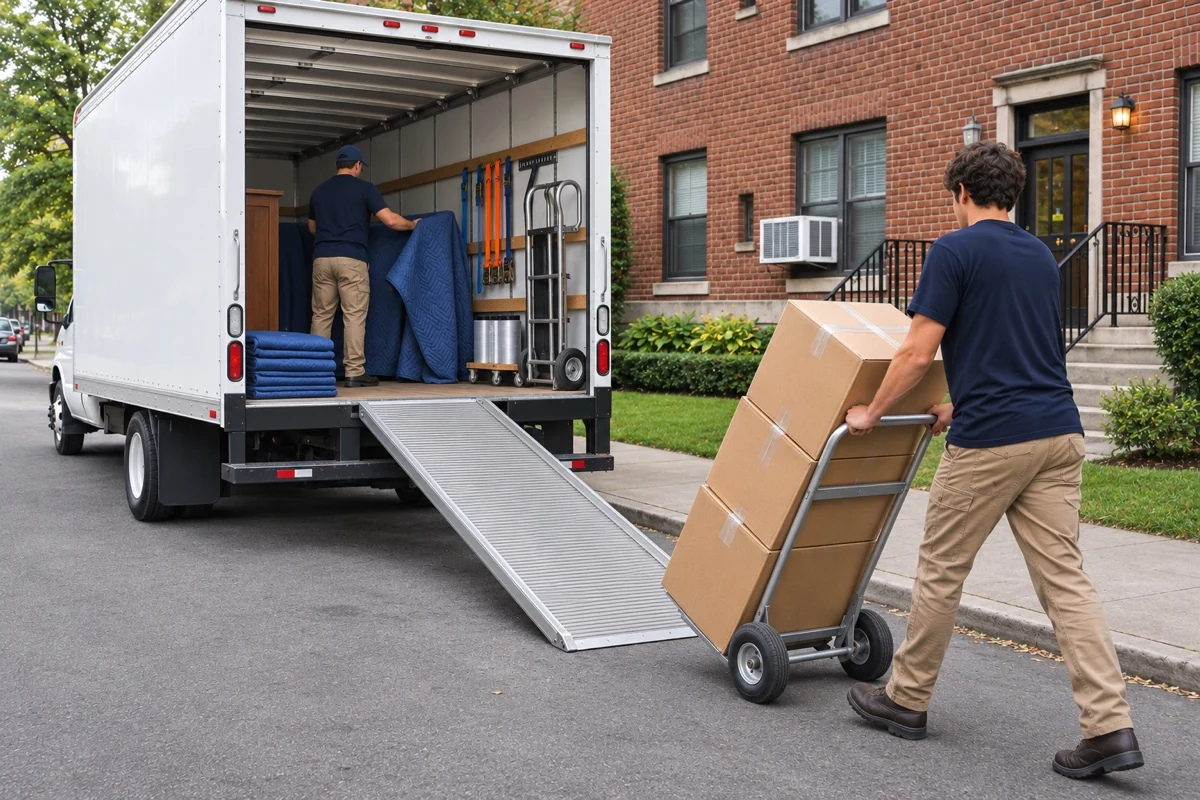
How a Tuesday move gets booked
Your Saturday crews are booked, but one truck sits on Tuesdays. Across town, someone just got the keys to a new apartment and can move any day next week. That’s a job you can take. First, they have to find you. Then they have to hear back while they’re still looking.
- They find you. They search for apartment movers in their town. Your Google listing or apartment moving page gives them a place to start.
- They ask for a quote. They send the move date, pickup and drop-off ZIP codes, and the size of the apartment from their phone.
- They get a text. Your crew is still on a job. The customer knows the request came through and can reply with details about stairs or the loading dock.
- Your office takes it from there. The request is in the shared inbox. Someone checks the route, offers Tuesday, and sends the estimate. Your team confirms the booking when the customer accepts.
- You ask for a review. Once the truck is empty, your crew sends a review request. The next person moving out of that building can read how it went.
Each step gives the customer a reason to stay with you. If the site tells them you handle third-floor walk-ups but the quote goes to an inbox nobody checks, the job can still slip away. That’s why we connect the site, the phone, and the inbox.
The moving quote depends on both buildings
A customer may know the date and the street they’re leaving. The destination may still depend on when the new keys are ready. An apartment manager may only allow moves during a short elevator window. The office can keep both addresses, both sets of access notes and the date in the same inquiry.
The note about the second address can change the job. A street with no room for the truck may mean a longer walk. One building may have stairs even if the other has an elevator. Those details give the estimator a way to discuss the scope and arrival window before the customer approves the move.
A customer can send new information to the same number if the elevator reservation changes or they add a room. The office can see what was quoted before it agrees to a different scope. The crew can have the latest notes when it’s ready to load.
The moving jobs you actually want
An apartment move across town and a move from Nashville to Atlanta can both start with a Google search. The customers are asking different questions. The first wants to know if you can get a couch down three flights on Tuesday. The second wants to know if you run that route, when the truck can pick up, and how delivery works.
An office move comes with its own questions. A business owner may need a weekend move so the team can open Monday. A page that shows the offices the crew moves and how the office handles hours gives that owner a place to start.
A moving company’s service area can differ by job. An apartment move may fit close to another stop. A longer route may make sense when the truck and crew have a full day. The site can show which moves the business takes and where it goes for each.
A website that makes it easy to get a moving quote
People check your website after seeing your Google listing, getting your name from a friend, or spotting your truck. They’re looking for a few quick answers. Do you handle their kind of move? Do you cover both addresses? Can they get a quote without making a phone call?
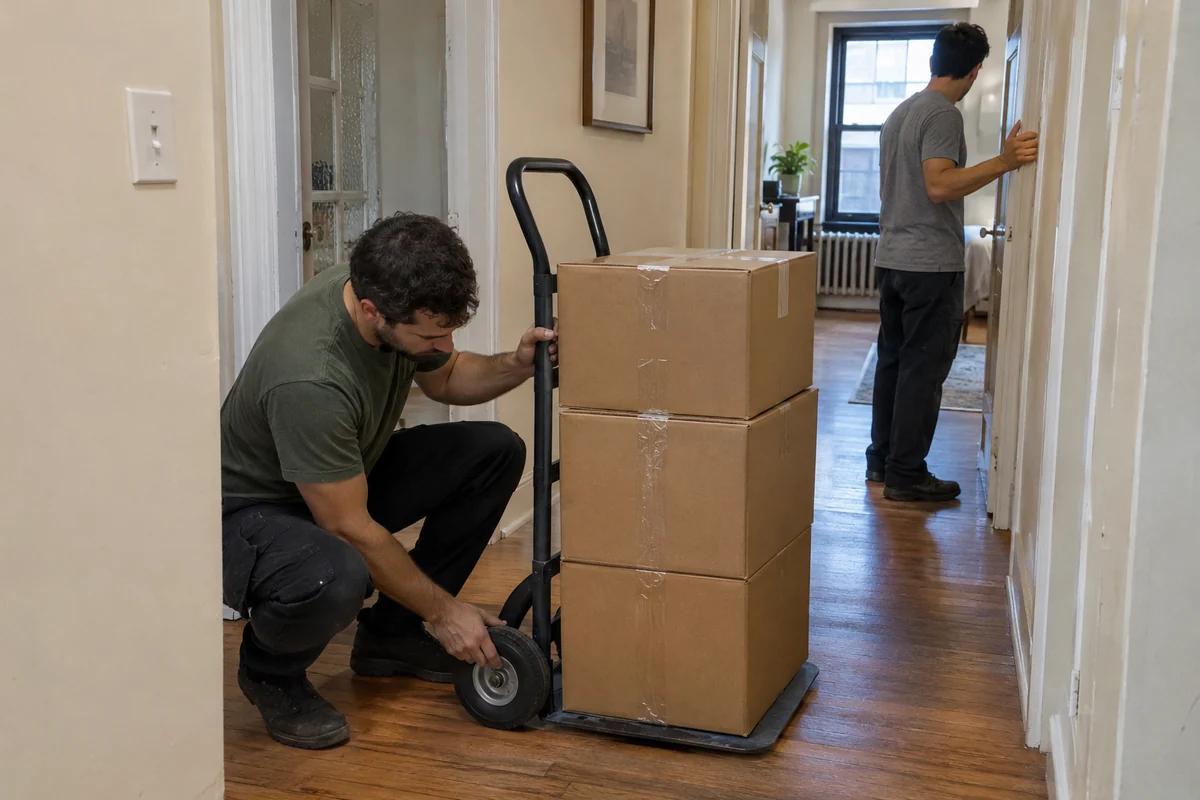
We build moving company websites around the jobs you take. An apartment moving page can cover stairs, elevators, and tight parking. A packing page can explain whether you pack the whole home or just the kitchen. A long-distance page can show the routes you run and how you set pickup and delivery dates.
The phone number and quote button are easy to see on a phone. The first request can include the date, both ZIP codes, the size of the move and a way to reach the customer. The office can check the schedule and ask about details that affect the quote.
A longer walk from the truck, a piano in a basement or a reserved elevator time can change a job. Those details can come into the conversation once the office knows the date and route are a fit. The customer sees a clearer quote and the crew sees the same scope.
A photo of a sofa wrapped for a tight stairwell tells an apartment customer something about how the crew works. A truck photo can help them recognize the company. Photos of the move itself show the next customer what it looks like to work around similar access.
How SystemsPal handles a moving quote
A 30-minute look at the website, phone and follow-up.
A last-minute move can fit the route or take up the day
A customer calls about moving a few pieces tomorrow. The truck may already have nearby work or may be committed across town. The useful answer depends on the addresses, the work and the time available. The office can see the original call and ask for details without taking someone off the crew.
When the truck is already on a move, the caller can get a text back and send a date and ZIP codes. The office can check whether it has room and confirm what it can take. If the slot doesn’t work, the customer gets an answer while there’s still time to make other plans.
A customer booking further out might be closing next month and asking about packing as well. The office can see that it’s a different conversation and give the estimate time to come together. One inbox can hold both requests without putting them on the same schedule.
Local SEO that helps nearby customers find your moving company
Someone in a half-packed apartment may search for local movers near me and call from Maps. Someone planning next month may look for Nashville to Atlanta movers and read about the route first. The local and route pages can take those two searches to different parts of the same business.
Google Business Profile
Current hours, a working number and photos of recent moves help someone compare companies in Maps. Service area details show where the trucks go. The website has room for the questions customers ask after the search.
Service and route pages
An apartment moving page can cover elevators, stairs and what goes into an estimate. A route page can show places the trucks go regularly and what a customer can send before calling. Real local examples can cover the access and timing questions that come up in that area.
On-site SEO
We handle on-site SEO when we build the website. Clear titles, useful links and phone-friendly pages help people find the moving service they came for. Search visibility builds over time as the pages cover the kinds of moves and routes the company actually runs.
The moving company SEO guide covers pages that can bring in moving requests. The Google Business Profile guide covers what a customer sees when they find the business in Maps.
An office move has a contact at each end
A business owner may handle the quote while someone else manages access to the old building. The new location may have a loading rule or a date when the internet installers need the space. The office can keep the two addresses and the people coordinating access in one record.
An office moving page can explain the size of job the crew takes and whether it works around business hours. The customer may send a list of rooms or ask about a weekend. The estimator can use that information before setting a time to see the site. The booked scope tells the crew what the customer expects to go on the truck.
When the business opens again, the manager can describe how the timing and communication went. That review can help the next business comparing movers. A referral may come from the property manager who saw how the crew worked with the building.
A quote request while the crew is loading
It’s Friday afternoon. Both hands are on the furniture dolly and your phone rings. It’s the person with the apartment move. They might call the next company as soon as they hit voicemail. An automatic text gives them another way to reach you while you finish the job.

- Missed-call text-back. They can reply with their date and ZIP codes while you’re away from the phone.
- Quote follow-up. When someone uses the form, a text can confirm you got it and get the conversation started.
- Shared inbox. Calls, texts, and website inquiries go to the same place. The person doing quotes can see what the customer already told you.
- Business phone. Put one number on the site and Google listing so the crew and office can work from the same line.
A first text can ask if there’s an elevator at either address. The office can see the answer when it checks the truck and route. If the estimate is still open, a follow-up can refer to the date and the details the customer already sent.
What the office can see after moving day
A customer may text to ask about a box, leave a review, or recommend the mover to a neighbor. A conversation that stays with the completed move gives the office context for each message. Someone can see the addresses, date and scope without pulling the crew away from another job.
The original source can stay with the move too. A real estate agent might have passed along the number. A customer might have found an apartment moving page and called from a phone. Seeing which requests reached a completed move gives the business more information than a tally of calls in a busy week.
An earlier customer may call back after another lease ends. The office can see how the first move was handled, confirm the new addresses and start a fresh quote from the same contact. A review, referral and return call can all come from the work the crew has already done.
Where ads and referrals fit
Paid search can put a moving page in front of someone on a deadline. It’s useful when there’s a truck and crew available for that kind of move. The original source can stay with the request so the business sees which calls led to booked work.
A lead site can send the same request to several companies. The customer still needs a mover to check the date, scope and route. The office can see how many of those calls went onto the calendar and how many were already booked elsewhere.
Property managers know when leases end. Agents know when closings happen. A link to the right moving service gives them something useful to pass along, with the area and a way to reach the office.
The review after the last box comes off the truck
The Tuesday move is done. Your crew got the sofa down three flights, made the elevator window at the new place, and put the boxes in the right rooms. That’s the job the next apartment customer wants to read about. If you wait until the end of the month to ask for a review, the customer may barely remember which day you came.

When the move is complete, a short text can give the customer a direct link to leave honest feedback. SystemsPal review requests give the office a way to send the link after the crew is done.
If a customer reports a damaged dresser, the office can acknowledge it and give them a direct way to reach the person handling it. The discussion about the job can stay private.
People can go years between moves and still know someone who’s packing right now. Customer campaigns give you a way to reach back out when you have a reason to, like asking for referrals on moves you have room for. The same website that helped book Tuesday gives those referrals a place to go.
A building manager can pass along a useful introduction
An apartment manager may know which residents need a mover before anyone searches. The manager can pass along a page about apartment moves. The customer can see where the trucks run and send the date and building details. The office gets a first request that can already mention the loading area or the elevator window.
A later referral may come from a different building with different rules. The service page gives both customers a place to start and the office can handle the details for each address. When the work is completed, the original introduction can stay with the move. The company can see which buildings and referrals turn into booked work and which routes those jobs fit.