
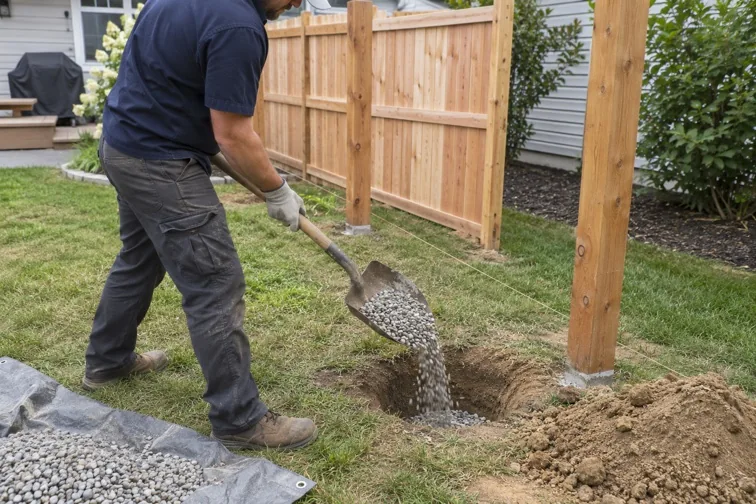
How a fence request goes from a yard photo to a booked job
A homeowner may be getting a dog, replacing a worn fence or trying to get more privacy before a patio goes in. They look at a few local fence companies and want to know who builds the kind of fence they need. At first they may have a photo of the yard and a rough idea of where the line should go. A service page that shows similar work can get them to a useful call.
The request can carry the address, the kind of fence and whether there’s an old one to take out. A person who already knows they want wood or vinyl can say so. Someone who’s still choosing can show what they want the fence to do. The office can check where the crew works and tell the homeowner how an estimate visit starts.
On site, the estimator can look at access, corners, slope and the gates the owner wants. The written estimate gives the customer a way to see what’s included. If they later ask about shifting the walk gate or adding a section, the office has the original quote in view.
A signed job can come weeks after the first search. The owner might be waiting on another project or finding out what an association needs to see. The request stays connected to the property while those decisions are made. A later call can start with what the company has already seen.
A fence website shows more than a finished line across a yard
A wood privacy fence, a vinyl fence and a chain-link job come with different questions. A page for each regular service can show work the crew has actually built and what an estimate usually covers. A homeowner who knows the look they like can see examples before deciding whether to talk to the office.
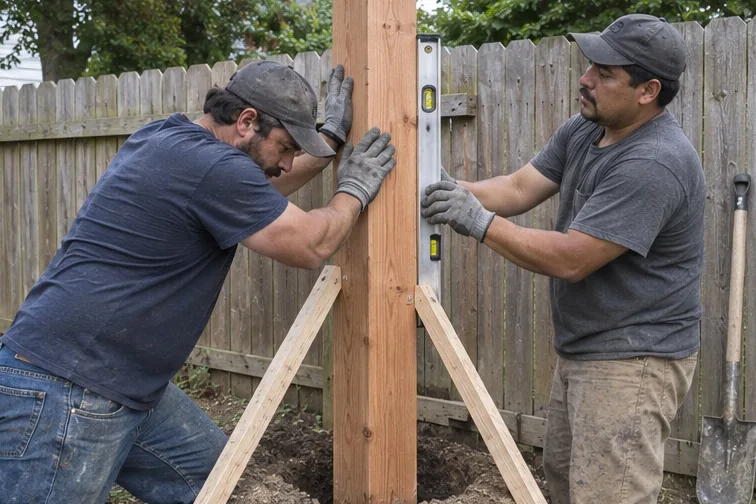
A photo of a completed run can show the style. A second photo can show a slope, gate or part of the job where the fence meets the house. A line describing the property makes the example useful. A person looking at a similar yard can ask about the part that matters to them.
Fence removal and replacement can have their own scope. Someone may want the old fence down but expect to keep part of it near the house. A relevant page can explain the sort of conversation that happens on a visit. The first request can say where the old fence is and what the customer hopes to end up with.
A gate repair request can look very different from a full yard in a form. The site can show which jobs the company offers and where it takes smaller calls. It gives the owner a short way to send an address or describe the job instead of asking them to work out the exact length or hardware themselves.
What happens after a customer reaches out?
A 30-minute look at the website, phone and follow-up.
What the estimator can learn before visiting the property
An address and a short description give the office a place to begin. The homeowner might know which sides of the yard they want fenced and whether they need a way to get a mower through. A photo can make it easier to see the location they mean. The estimator can talk through the scope on site and check which details still need to be confirmed.
A useful conversation can also cover access and the other people involved. A neighbor may share a section of the fence. A property owner may have a manager handling the visit. The contact who can open the gate or meet the estimator might be different from the person who approves the job. The office can keep those details with the property.
Sometimes the homeowner is mainly looking for a start date. The request might mention a new puppy or move-in day. The office can check the schedule and explain the next step before promising when the work can start. A request for a larger job can still be useful even if the first open estimate slot is farther out.
The first form gives the office enough to get back to someone. The quote is where the company can handle the measured scope and the terms the customer will approve. Keeping both beside the conversation lets the details get more specific as the job moves along.
How people find a fence company in the towns it serves
People may search for a fence company near them, a vinyl fence installer or a crew that can replace a backyard fence. Each search can land on a page that covers that work. A recent project nearby can help the homeowner see the kind of property the company serves before they call.
Google Business Profile can give visitors a first look at the company, its phone number and finished jobs. A website can show what the customer can ask about next. Material pages can cover examples and the estimate process. A local page can show service areas that make sense for actual crews and schedules.
A longer project can fit farther away than a single gate repair. The company can describe that difference so customers know how to ask about their address. The office can see which calls get scheduled instead of assuming a whole county works the same way for every kind of job.
A property manager or landscaper can use the same service page when they make a referral. The link lets the next homeowner see the fence work and reach the business directly. The office can keep the source with the quote even when the final decision takes a few weeks.
A quote can come back with a different gate or fence line
After seeing an estimate, the homeowner may decide on a wider gate or want to move a section. They might have spoken to a neighbor or learned when another crew can finish. A follow-up can ask about the decision that’s still open. The estimator can see the earlier dimensions and the work the customer was comparing.
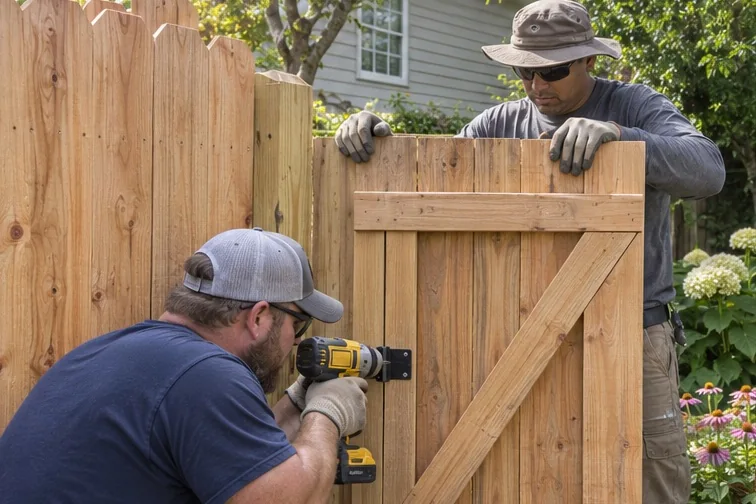
The original scope can stay with the new proposal. The office can see whether a different material or gate was approved. A question that changes only one part of the estimate doesn’t need to turn into a new inquiry for the whole property. The homeowner can use the business number they already called.
The office can also keep a note of dates. A landowner may be waiting on a decision about a shared line. Another customer may be trying to finish another part of the yard before the fence goes in. The reason for the delay makes the next conversation more useful than asking whether they’ve changed their mind.
Once the job is approved, the crew needs the agreed information. A booking can carry the address, access contact and what the estimate says about removal or gates. A scheduling message can refer to the work the owner actually accepted.
The calls that come in while the fence crew is working
The crew may be handling a panel when the phone rings. A missed-call reply gives the caller a way to send a ZIP code and a short description. Someone in the office can check whether the call fits while the crew keeps working. A request from the website can get a first reply the same way.
The messages can stay together in a shared inbox. If the homeowner sent two photos and then called, the person answering can see the earlier request. The customer has one number to call or text, and the office can see whether another person already offered a visit.
Current customers can use that number to ask about an arrival window or send a new note about access. A gate code belongs with the right job. So does a timing change from someone responsible for meeting the crew. The office can see which appointment the message is about before it sends the update.
What a fence company can see from ads and referrals
A search ad can lead a homeowner to a privacy fence or replacement page. The page can show the team’s work and how a quote starts. That can be useful when the crew has room for estimates in the areas it takes. The useful outcome is which of those visits turn into jobs the company can put on the calendar.
Referrals can have a different starting point. A landscaper may introduce someone who already knows where they want the fence. A neighbor may have seen a crew and just wants to ask about the look. A real project page gives both a better place to start than a name they need to search for later.
A business can get ten calls and have several outside the service area. It may get fewer calls from the right streets and book more work. The inquiry, address and estimate give the office a way to see which calls were useful. The signed job gives it something it can compare with what it spent on that service.
The finished fence helps the next customer see their own project
The homeowner can see the fence from the house, use the gate and ask about anything left after the crew is done. A review link from the business number gives them a chance to say how the work went. They may mention how the company explained the scope, kept the schedule or handled questions about the old fence.
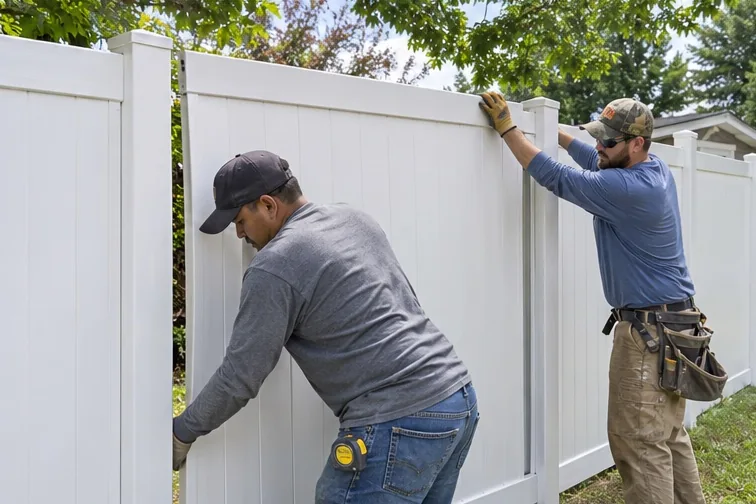
A project photo can show how the fence follows a slope or what the gate looks like next to the rest of the run. A short note can say what was included. With permission, those examples can go on the service page where a customer considering similar work will see them.
The same customer might call back about a different side of the property after using the first fence. The office can see what was built and keep a new scope for the next job. A homeowner can also share the page with a neighbor who asks who did it. The earlier job gives the business something useful to show.
The schedule shows which fence leads became real work
The first inquiry is a sign of interest. A visit lets the estimator see the yard. The written proposal shows what the company offers to do. A signed quote gives the office a job that can be scheduled. The business can compare the results at each stage without treating them as the same number.
A handful of gate calls that never fit the company’s schedule may show where the website can explain its repair work more clearly. A few signed privacy fences in the same part of town may show what the crew can serve regularly. The right pages and photos can show those real jobs to the next homeowner in that area.
The same record can help the business know why a job is still open. The customer might be waiting until spring or asking about another section. A later conversation can still have the address, photos and proposal in view. When a job does reach a crew, the business can see what brought it in and what made it a good fit.
A second phase can start with a fence the crew already built
A homeowner may fence the back yard this year and decide to add a separate gate or a run beside the driveway later. When they call back, the office can see the earlier job, material and approved scope. The new work can still get its own estimate. The first fence gives everyone a reference point when the customer asks what would match it.
A property manager can have the same kind of conversation across several sites. One address may need a service visit for a gate. Another may need a proposal for a new run. The office can keep the locations separate while using the same contact. When a request comes back after a few months, the address and scope are still close to the conversation. The company can tell whether it is hearing about work it already did or a new job that happens to come from the same person.