
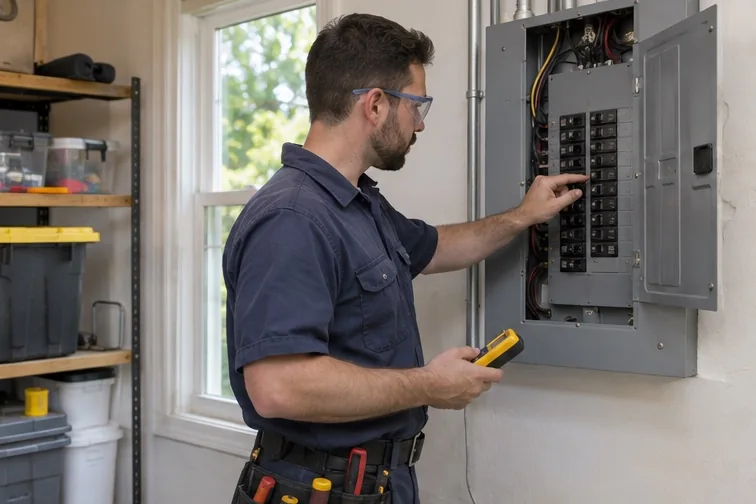
How an EV charger inquiry turns into a booked install
A homeowner orders an electric car and looks for a local installer. Your EV charger page shows the work you do, which towns you cover, and how to get an estimate. They send their ZIP code and say where they park. Your office can ask for the vehicle or charger model and arrange a visit if you need to see the property.
After the visit, the estimator sends a written quote for the work. A short follow-up gives the homeowner a chance to ask about the scope or timing. Once they approve it, the office confirms an install date in the same thread. The quote, approval and job details are still there when someone opens it on Monday.
A quiet quote can mean the car hasn’t arrived or the homeowner is comparing two different scopes. That conversation gives the estimator more to work with than an unanswered email. It also shows where an inquiry stalled, whether the office was waiting on an address, the customer needed a site visit, or the estimate was still sitting in someone’s inbox.
A website for the electrical jobs you take
Electrical troubleshooting, panel upgrades and EV charger installs bring in different calls. A repair customer wants to know when an electrician can come out. Someone planning an upgrade may still be comparing options. We build those services into separate pages so each customer starts with the work they came for.
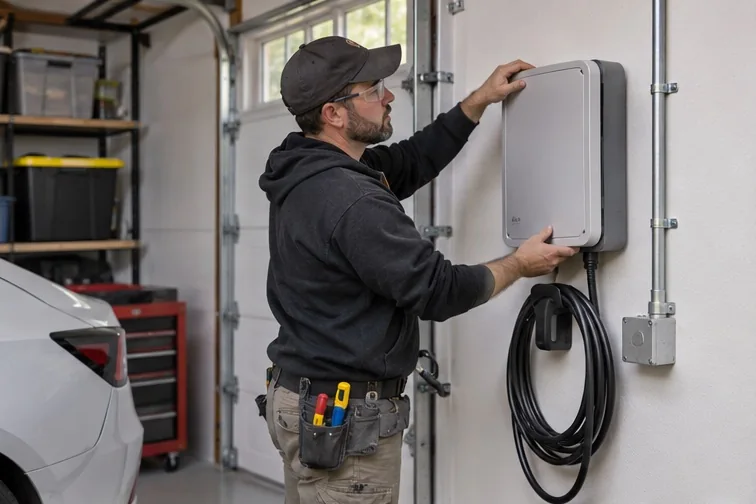
The panel page can show a past project and the information the office needs for an estimate. The charger page covers garage and driveway installs, the equipment your crew works with, and when a site visit comes into the picture. On the repair page, the phone number stays easy to find on a small screen.
A short form gives the office a name, number, ZIP code and a line about the job. Photos can come later if the estimator needs them. A homeowner on a phone can get a request through without knowing the model number or the exact name of the service.
How SystemsPal handles electrical inquiries
A 30-minute look at the website, phone and follow-up.
What comes through on an electrical quote request
The address helps the office check dispatch coverage before calling back. Service choices separate an EV charger install from a troubleshooting call. There’s room for the customer who just knows the lights in the back half of the house stopped working and wants someone to take a look.
A panel job may go to the estimator. A repair call may go to dispatch. The office can ask for photos or property details in the same conversation once it knows what kind of job it’s dealing with. The customer keeps talking to the same business number.
On the launch call, we send a test request and show where it lands. The office can see the service, call the homeowner back and tell who’s handling it. We do the same with a missed call so the team knows what the customer sees at the other end.
How nearby homeowners find an electrician
An EV owner and someone looking for panel replacement may both type the name of their town. They’re looking for different pages. Our electrical sites use the names homeowners recognize and show the work, service area and estimate process for each job.
Business hours, a current phone number and recent project photos help a homeowner compare local electricians. A service-area note can also save the office a call when a property sits beyond the normal dispatch route or the crew only travels there for larger projects.
A town page has more to say when it can show work from that area or explain what service is available there. Links from that page lead to the relevant electrical service. The homeowner sees the local details and can still go deeper on their particular job.
Repairs and larger electrical estimates move at different speeds
A repair call usually needs the address, what the customer noticed and whether there’s a visit available. A project inquiry may need a conversation with an estimator. A first reply can collect the basics either way. The person who knows the job takes over from there.
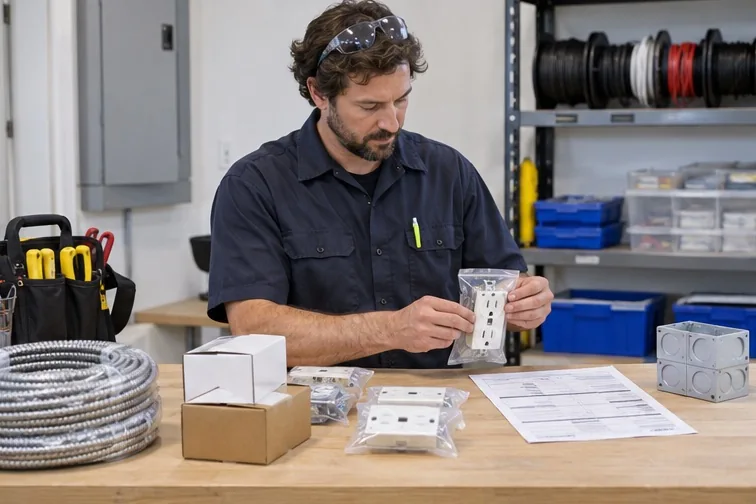
A homeowner with an open quote may have missed the email or may still have a question about access, timing or what the work includes. An automatic reminder can check that the quote arrived. The estimator has the conversation in front of them when it’s time to answer the job-specific questions.
The office can see the original electrical inquiry, the estimate and whether it booked. That’s how a handful of panel jobs from a local page can stand out from a busy week of inquiries outside the dispatch area.
Missed-Call Text-Back · Lead Follow-Up
Where paid search and trade referrals fit
Paid search can help fill openings for charger installations or panel work. The ad lands on the service the homeowner searched for, with coverage and the estimate process close to the top. Signed jobs give the office a way to see which services brought in work.
Remodelers, property managers and local car dealers often hear about an electrical job before the homeowner searches. A page with the right service, coverage and a phone number gives that partner something useful to pass along.
A few projects that reach a signed estimate can matter more to the schedule than a whole inbox of calls you don’t take. The original source stays with the job, so the office can see whether it came from a dealer, an ad or a service page.
What a finished electrical job does for the next one
A review after a panel change can tell the next homeowner how the crew explained the outage, left the work area and handled the appointment. A text with a link gives the customer a simple way to leave that review after the crew packs up.
A remodeler or returning homeowner can pass along the specific service page. Coverage and contact details are right there. The office can keep the referral source with the job and see which partners are sending the kind of electrical projects the crew takes.
What the office sees when a customer calls back
A homeowner accepted a panel quote on Friday. On Monday they call the office to ask when the crew needs access to the garage. The office can open the original request, see the accepted scope and the visit the crew discussed, and answer from the same conversation. The estimator doesn’t need to leave a job to retell the story.
That same record helps before an estimate gets approved. A customer might have an open question about the charger they already bought, or a property manager might need to confirm which unit the call was about. The office can bring the right person in while the customer still has a single number to call. A call, text and estimate can belong to the same electrical job even when different people handle them.
The electrical service call a homeowner makes from the driveway
The lights in half the house went out just before dinner. The homeowner is on a phone with one hand and trying to explain what happened with the other. They may know which rooms went dark and when it started. They may have no idea what the breaker is called. A repair page with a tap-to-call number gives them a way to reach the office without having to describe it like an electrician.
The office can see a repair request and an EV charger estimate side by side without treating them alike. The repair call needs an address, a description in the homeowner’s words and an answer about availability. The charger estimate might need a different conversation with someone who handles installs. The first response keeps the customer talking to one business while the team works out who can take the call.
If the crew is already at a job, the missed-call text can acknowledge the call from the business number. A reply stays with the original inquiry. The office can see what was said when it calls back instead of asking the homeowner to repeat every room and every detail.
A panel upgrade can start with another trade
A homeowner calls about a kitchen remodel after the cabinet layout is already set. The remodeler has asked them to get an electrical quote before the next phase. The property owner knows where the range will go and when the cabinets arrive. The electrical estimator needs the address, the work described in the plans, and a time to see the property.
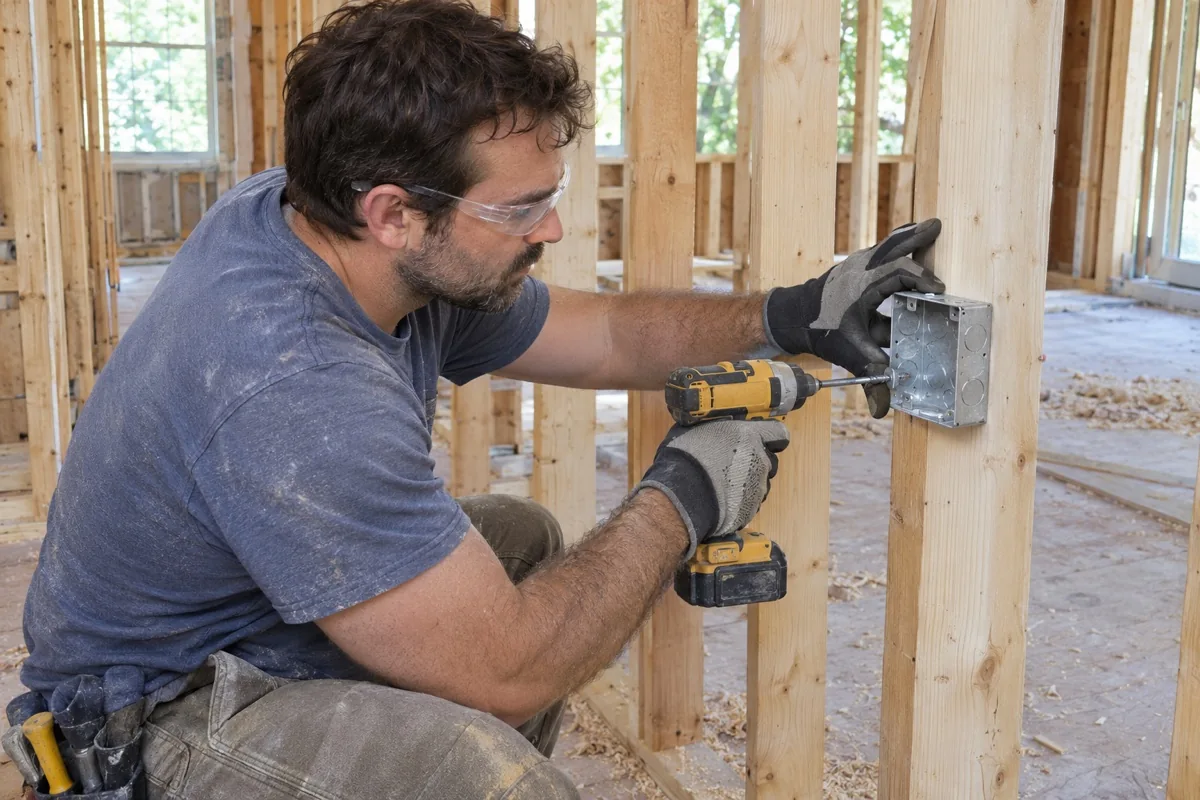
A remodeler can share a link to the electrical project page as part of that introduction. The homeowner can see examples of work the crew takes and where it goes. When they fill out the request, the office can keep the remodeler’s referral beside the job. A second message with drawings or a new cabinet date has somewhere to land.
The estimate often changes when three people are making decisions on different days. The owner may move an appliance, or the remodeler may need the electrical visit after a wall opens. The original estimate and later replies stay together. When the appointment gets confirmed, the office can see which version was approved and who is arranging access.
What a charger customer looks for before the car arrives
A charger lead may come in as soon as the car is ordered. The delivery could be three weeks away or three months away. The homeowner may have picked a charger already. Another customer may simply know where they plan to park. Both can use the same service page, while the estimator works out how much the office can handle on the phone and whether the job needs a visit.
A photo gallery has a practical job here. A finished setup in a detached garage shows something different from a charger at the end of an attached driveway. A few words about the setting tell the homeowner why the photo is relevant. They can ask about their own garage without assuming their job is identical to the one on the page.
When the car is delayed, the estimate doesn’t have to fall out of the picture. A reminder can go out around the date the homeowner mentioned. When delivery moves again, the office sees the conversation and the new timing. That’s a quote for a real job, with someone waiting on a specific date.
Homeowners and property managers ask different questions
A residential repair customer may be home until noon. A property manager can have a tenant in one unit, a lockbox at another, and a maintenance lead who needs the invoice. A commercial electrical page can cover the kinds of properties the company visits and how the office receives requests. The general repair page still does its job for people calling from home.
One property manager can send several requests from the same number. The address and unit make each request useful to dispatch. A note about who is arranging access can save a second trip. After the first job, there’s a record of the work and the person who coordinated it when the next call comes in.
Some of those accounts start with a search and some start with a referral from another contractor. Both can lead to the same shared inbox. The source and the job can stay visible without asking the contact to remember exactly where the company’s number came from.
A busy phone and a useful electrical schedule tell different stories
One week an electrician may have twenty repair calls and a couple of panel estimates. Another week can bring fewer calls and more approved installation work. The type of inquiry, area, quoted job and outcome explain what filled the calendar. The raw number of calls doesn’t include any of that detail.
An ad can be helpful when the crew has installation time. A service page can keep bringing calls after the ad stops. Referrals from remodelers may arrive less often but come with a clearer scope. The office can look at those paths together and compare them by the work that actually booked. The same record also shows when the company spent time returning calls too far outside its dispatch area.
Reviews belong at the other end of that work. A homeowner might mention that the crew explained the visit, kept the date, or left the garage in good shape. Those words sit with the company when the next homeowner is looking at a few electricians. The completed job does some of the work of explaining what an appointment with the company is like.